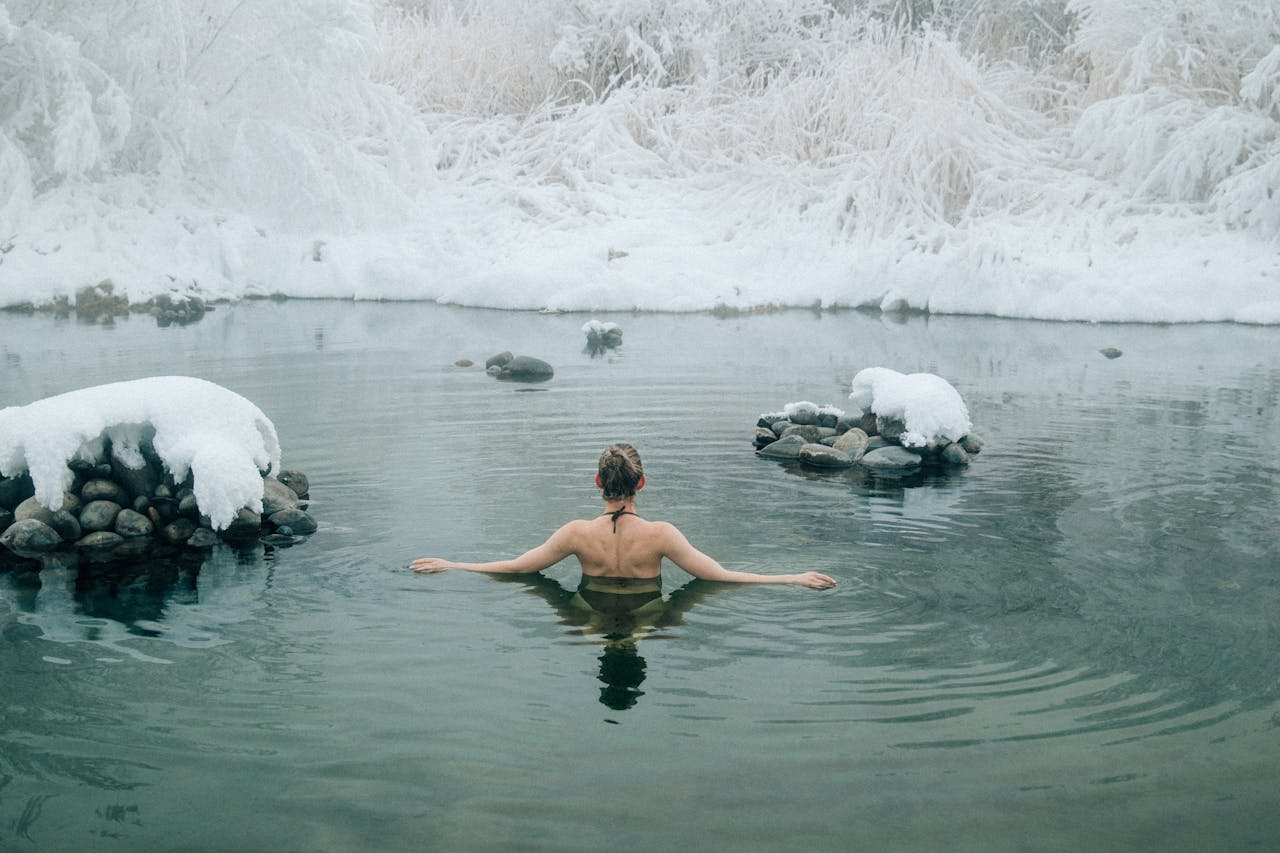
How to Start Winter Swimming Safely
I still remember my first winter swim. Standing at the edge of a lake in November, watching my breath form clouds in the air, I thought I'd lost my mind. The water temperature gauge read 8°C (46°F), and every logical part of my brain screamed at me to turn around and go home. But something kept me there—curiosity, maybe, or the infectious enthusiasm of the small group of regulars who made this look easy.
That first plunge taught me something important: winter swimming isn't about being fearless. It's about being smart, prepared, and respectful of what cold water can do to your body. Three years later, I'm still swimming through winter, but I've learned that the secret isn't toughness—it's preparation.
If you're curious about winter swimming, whether for the mental clarity, the health benefits, or just because you want to try something that sounds completely wild, this guide is for you. Let's talk about how to start this adventure safely.
Why Safety Comes First
Here's the truth: cold water is powerful, and it doesn't care about your intentions. I've seen beginners jump into ice-cold water thinking they can tough it out, only to experience cold water shock that leaves them gasping and disoriented. I've also seen experienced swimmers get too confident and stay in too long.
The good news? Winter swimming is incredibly safe when you do it right. The key is understanding what your body goes through in cold water and respecting those limits.
Understanding What Happens to Your Body
When you enter cold water, your body goes through several distinct reactions:
Cold Water Shock happens in the first 30-60 seconds. Your heart rate spikes, you gasp involuntarily, and your breathing becomes rapid and uncontrollable. This is your body's panic response, and it's completely normal. The danger comes if you're not prepared for it—people can inhale water or panic.
After-drop is something most beginners don't know about. After you get out and start warming up, your core temperature can actually continue to drop for 20-30 minutes. You might feel fine immediately after your swim, then suddenly get intensely cold. This is when people make mistakes, thinking they're okay when they actually need to warm up carefully.
The Golden Rule: Acclimatize Gradually
The single most important thing I tell anyone starting winter swimming is this: start in autumn and swim regularly through the temperature drop. Seriously, don't wait until January and then jump into 2°C water for your first swim.
Your body can adapt to cold water remarkably well, but it needs time. When I started in late September, the water was around 15°C (59°F)—chilly but manageable. By swimming a few times a week, my body adapted as temperatures gradually dropped. By December, when the water hit 4°C (39°F), it felt cold but not shocking.
If you're reading this in winter and want to start now, you still can—but you need to be extra cautious. Start with shorter dips (we're talking 30 seconds to 1 minute), always swim with others, and give yourself several sessions to adapt before going longer.
Your First Few Swims: A Step-by-Step Approach
Swim #1-3: Get comfortable with the shock
- Enter slowly and deliberately
- Wade in up to your waist first
- Focus on controlling your breathing
- Stay in for just 1-2 minutes maximum
- Don't go under if you're not comfortable
Swim #4-10: Build confidence
- Gradually increase depth (shoulders, then full immersion)
- Practice slow, controlled breathing
- Extend time to 2-5 minutes
- Learn what "cold enough" feels like for you
Swim #10+: Find your rhythm
- You'll start to know your limits
- Time will naturally extend (but rarely needs to exceed 10-15 minutes)
- You'll develop your pre and post-swim routines
Essential Gear (Less Than You Think)
You don't need much, but what you have should work:
Must-haves:
- Swimsuit (obviously) and a second one to change into after
- Neoprene gloves and booties for water below 10°C—your extremities lose heat fast
- A good changing robe or towel for after
- Warm clothes including a woolly hat for post-swim
- Footwear for walking to and from the water
Nice-to-haves:
- Swim cap (wool or neoprene)
- Thermos with warm drink
- Waterproof watch to time your swim
Don't overthink the gear. I've seen people delay starting because they're researching the "perfect" equipment for weeks. Start with what you have, swim a few times, then invest in gear based on what you actually need.
Critical Safety Rules (Never Break These)
1. Never swim alone. Ever. Not even "just this once." Cold water emergencies happen fast, and you need someone who can help.
2. Know when not to swim. Skip it if you're sick, hungover, have been drinking, or feel off. Cold water is stressful on your body. If you have heart conditions, Raynaud's disease, or are pregnant, talk to your doctor first.
3. Get out before you think you need to. If your fingers go numb, your speech slurs, or you start feeling clumsy, you've stayed too long. Get out immediately.
4. Warm up properly. Get dry quickly, layer up starting with your head, and warm up gradually. No hot showers immediately—this can cause dangerous changes in blood pressure. Warm (not hot) drinks help.
5. Listen to your body. Some days, even if you've been swimming all winter, your body might say no. Respect that.
Finding Your Community
This is the part that surprised me most about winter swimming: the community. There's something special about people who voluntarily swim in freezing water together. We look out for each other.
Search for local winter swimming groups on social media or check r/winterswimming to connect with others. Swimming with a group is safer, more fun, and they'll share local knowledge about the best (and safest) spots.
If there's no group near you, start swimming with even just one friend. Having a swim buddy makes everything safer and more enjoyable.
The Mental Game
Here's what nobody told me: the hardest part of winter swimming isn't the cold water—it's the 30 minutes before when you're thinking about it. Your brain will give you a thousand reasons not to go. You'll check the temperature again. You'll consider rescheduling.
Go anyway. I promise that 99% of the time, you'll be glad you did. The post-swim feeling—that warm buzz, mental clarity, and sense of achievement—is worth every moment of hesitation.
But also know that not every swim feels magical. Some swims are just cold. That's okay too. They all build resilience and practice.
Start Small, Stay Consistent
My advice? Commit to swimming twice a week for one month. Not every day (you need recovery time), not once a week (you won't build adaptation). Twice weekly is the sweet spot for beginners.
Keep your first swims short—there's zero benefit to staying in until you're miserable. Some of my best swims last only 3-4 minutes. Duration isn't the goal; consistency and safety are.
You've Got This
Winter swimming has changed my life in ways I didn't expect. It's given me a tool for managing stress, a community of incredible people, and proof that I'm more capable than I thought. But it only works because I respect the water and follow safety protocols.
You can do this. Start gradually, never swim alone, listen to your body, and be patient with the process. Your body will adapt, you'll find your rhythm, and one day you'll be the person at the edge of the water, smiling at a nervous beginner, remembering exactly how they feel.
The water's waiting. But take your time getting there.